


We hope you love the products we recommend! All of them were independently selected by our editors. Just so you know, HuffPost UK may collect a share of sales or other compensation from the links on this page if you decide to shop from them. Oh, and FYI — prices are accurate and items in stock as of time of publication.
For years, I’ve steered as far away from cycling as possible. Seriously, friends and partners have tried to force me to do it, but I have an aversion in me that I simply can’t shake no matter what.
Lately, though, something has shifted. Maybe it’s the endless tube strikes, the heatwave, or the sheer cost (monetary and mental) of commuting in, but I just can’t hack it anymore.
It’s gotten so bad that I’m even considering starting cycling to work. There’s just one problem: I have absolutely no idea where to begin.
Although I can ride a bike (to the surprise of everyone I know) I would have no clue when it comes to buying the right one for cycling, let alone all the other bits and bobs I’d need.
If, like me, you’re considering getting into commuter cycling for the first time, I consulted Josh Hale, general manager of London-based bike shop, Quella, for his tips.
What to consider when buying your first bike
First, the bike. The last time I owned a bike was at school, so I am well and truly out of my depth.
Although there are lots of different types of bike out there, Hale suggests finding one that fits you and your needs.
“When purchasing your first bike, the most important thing is finding one that suits both your body and the type of riding you plan to do,” he says.
“The right bike should make you feel stable, comfortable and in control. To find the right size, you should be able to stand over the frame with a small amount of clearance and reach the handlebars comfortably without feeling overstretched. Your elbows should have a slight bend, rather than being fully extended, to help you ride comfortably and confidently.”
The kind of cycling you’ll be doing matters as much as the fit of the bike, he explains. “Are you planning to commute to work, ride around town or head out on weekend adventures? The bike and tyres you choose should reflect how and where you’ll be riding.
“For example, if you have a relatively flat commute, a single-speed bike can be an excellent choice thanks to its simplicity and low maintenance. If your route includes hills, however, a geared bike will make climbing much easier.”
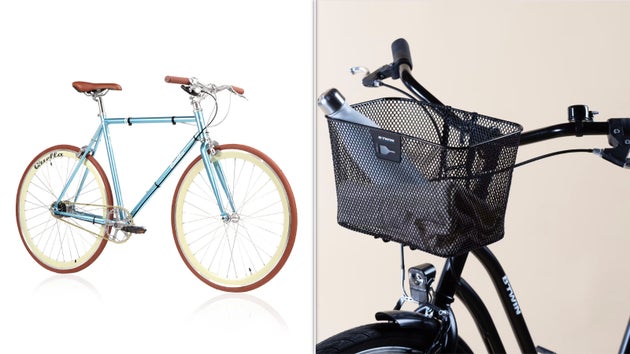
The best single-speed and geared road bikes to shop now
Essential cycling accessories
What is the difference between road and mountain bikes?
If you’re still not sure you fully understand road biking, we asked Hale to explain the difference between commuter cycling and more adventurous mountain cycling to make sure you use the right kind of bike.
“Road and mountain cycling require different setups because the environments place different demands on both the rider and the bike,” he says.
“Road bikes are designed for efficiency and speed, with a more aerodynamic riding position, narrower tyres and lightweight frames that perform best on smooth surfaces.
“Mountain bikes, on the other hand, are built for control and durability. They feature wider, grippier tyres, suspension and a more upright riding position to provide greater stability over uneven terrain.”
Related…
 The Ultimate Expert-Approved Essential Baby Checklist For New Parents
- The ‘Airbnb Of Campervans’ Has Your Summer Road Trip Plans Sorted