All posts tagged: vitamin

Should You Stop Taking Vitamin D Now That It’s Sunny?

Should You Stop Taking Vitamin D Now That It’s Sunny?

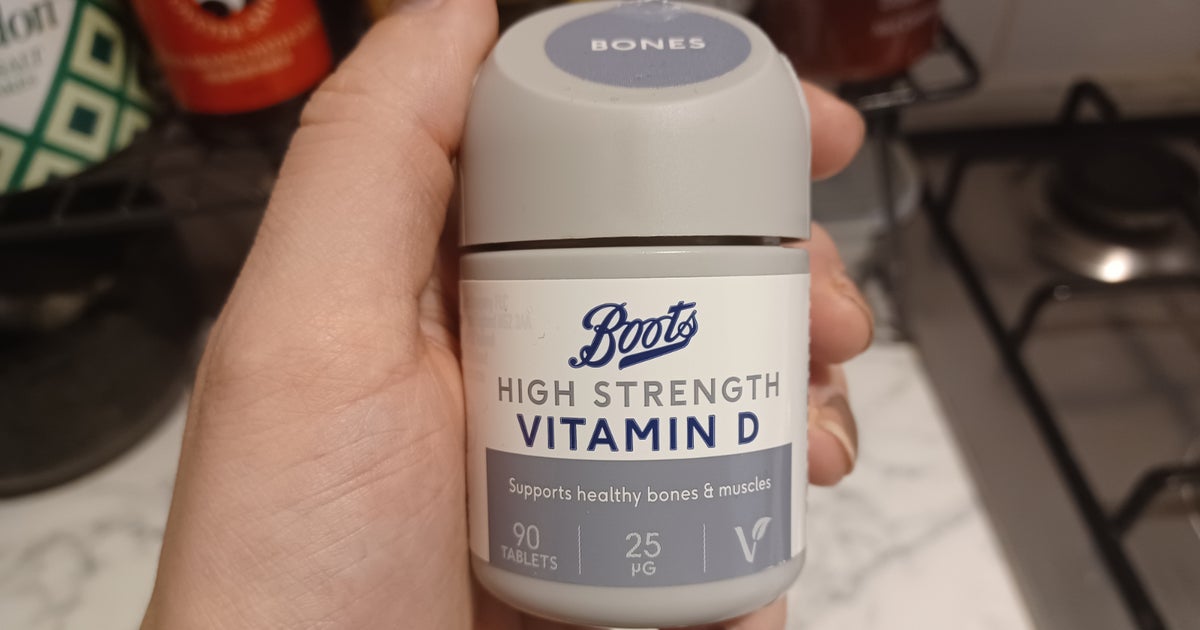
According to the NHS, most adults should consider taking vitamin D supplements from October to early March. But now that the Easter eggs have been unwrapped and April Fool’s Day has passed, is it time to put the supplements down? Not always, said Kyle Crowley, a chief product officer and nutritionist at Protein Works. Who may still need vitamin D supplements in spring? “It’s suggested that optimal exposure to sunlight is between five and 30 minutes a day. Therefore, if you don’t hit these requirements each day, you may need to consider supplementing,” said Crowley. That rises to 25 minutes a day for people with darker skin tones. “In fact, studies show that nearly half of UK adults have below-optimal levels of vitamin D. Most surprisingly, adults aged 18–29 have the lowest average. So, if you’re a student studying indoors or working all day indoors, this lifestyle will limit your daily exposure and taking vitamin D would be recommended.” The NHS said that “People at high risk of not getting enough vitamin D, all children …

The Sunshine Vitamin: Why You Need It More Than You Think

The Sunshine Vitamin: Why You Need It More Than You Think

I thought I was doing everything right. I live in a sunny climate most of the year. I eat a fairly balanced diet. I work in nutrition and spend a good part of my life reading research and helping other people make sense of it. So when my doctor told me my vitamin D levels were very low, I was surprised. But the more I looked into it, the less surprising it became. Vitamin D deficiency is common, and it often hides in plain sight. People assume they are getting enough because they go outside, eat reasonably well, or take care of their health in general. Yet vitamin D status depends on a lot more than sunshine and good intentions. Skin tone, age, sunscreen use, time indoors, and the fact that few foods naturally contain much vitamin D all make deficiency surprisingly easy. My experience is just one example, and nutrition is always personal. What made sense for me may not be right for everyone, so check with your own clinician before making changes. What …

Do We Still Need To Take Vitamin D Now It's Sunnier?

Do We Still Need To Take Vitamin D Now It's Sunnier?

!function(n){if(!window.cnx){window.cnx={},window.cnx.cmd=[];var t=n.createElement(‘iframe’);t.display=’none’,t.onload=function(){var n=t.contentWindow.document,c=n.createElement(‘script’);c.src=”//cd.connatix.com/connatix.player.js”,c.setAttribute(‘async’,’1′),c.setAttribute(‘type’,’text/javascript’),n.body.appendChild(c)},n.head.appendChild(t)}}(document);(new Image()).src=”https://capi.connatix.com/tr/si?token=8b034f64-513c-4987-b16f-42d6008f7feb”;cnx.cmd.push(function(){cnx({“playerId”:”8b034f64-513c-4987-b16f-42d6008f7feb”,”mediaId”:”3c21f4be-9142-4c83-a2bf-3cbd316eb702″}).render(“69ce3634e4b0a891ea43ad25”);}); According to the NHS, most adults should consider taking vitamin D supplements from October to early March.  But now that the Easter eggs have been unwrapped and April Fool’s Day has passed, is it time to put the supplements down?  Not always, said Kyle Crowley, a chief product officer and nutritionist at Protein Works.  Who may still need vitamin D supplements in spring? “It’s suggested that optimal exposure to sunlight is between five and 30 minutes a day. Therefore, if you don’t hit these requirements each day, you may need to consider supplementing,” said Crowley. That rises to 25 minutes a day for people with darker skin tones. “In fact, studies show that nearly half of UK adults have below-optimal levels of vitamin D. Most surprisingly, adults aged 18–29 have the lowest average. So, if you’re a student studying indoors or working all day indoors, this lifestyle will limit your daily exposure and taking vitamin D would be recommended.”  The NHS said that “People at high risk of not getting enough vitamin D, …

Vitamin D: When to take it and how much you really need

Vitamin D: When to take it and how much you really need

When the days shorten, and the sun sinks low in the sky, that familiar winter slump sets in. There’s a fundamental reason for this seasonal fatigue: low levels of vitamin D – the “sunshine vitamin”. People in the UK simply can’t make enough of this vital nutrient from sunlight during winter, which is why many are advised to take a supplement. So, what is vitamin D, why does it matter, and how much do you really need? Why is vitamin D important? Vitamin D is a fat-soluble vitamin. This means it’s absorbed with other fats in our diet, and stored in the body’s liver and fatty tissue. Vitamin D helps the body absorb calcium from the gut and regulates calcium and phosphate levels. These minerals are crucial for healthy bones, teeth and muscles. Vitamin D plays a key role in bone development and in the continuous renewal of bone tissue. Without enough vitamin D, adults can develop osteomalacia (soft bones) and children can develop rickets (a bone deformity, often characterised by bowed legs). Vitamin D …

11 Vitamin D-Rich Foods That Are Like Edible Sunlight

11 Vitamin D-Rich Foods That Are Like Edible Sunlight

With shorter days, freezing temperatures and snowstorms, it’s natural to spend less time in the sun during the winter months. However, since most of your body’s vitamin D comes from the sun’s UV rays, it’s important to ensure you’re getting your vitamin D in other ways, such as from your diet. For adults aged 19 to 50, the recommended daily amount is 15 mcg (600 IU). Below, we share the best foods that double as sources of vitamin D. If you’re still struggling to maintain an adequate vitamin D level, you can consult your doctor about taking vitamin D supplements, too. Don’t miss any of our unbiased tech content and lab-based reviews. Add CNET as a preferred Google source. The best foods for vitamin D 1. Salmon The amount of vitamin D can vary depending on the fish you use. For example, one study found farmed salmon had 25% of the vitamin D content as found in wild-caught salmon. As such, if you’re getting vitamin D from fish sources, try to opt for wild-caught fish …

Does Vitamin D Help You Sleep? I Tried It

Does Vitamin D Help You Sleep? I Tried It

This year, I’ll be trying sleeping tricks to see whether they actually improve my insomnia. Check back in on this series, Rest Assured, to see how I get on. Because I have absolutely no trouble falling asleep, I didn’t realise for years that my 3am wakeups actually constituted a form of insomnia (sleep maintenance insomnia, to be precise). On average, I wake up in the middle of the night just under five times a week. I only return to sleep about a quarter of those times. So, I’ve been trying everything from kiwis to passionflower tea to see whether they have any benefits. Both have stuck, but what about my now months-long habit of taking a daily vitamin D supplement daily? Wait, does vitamin D help with sleep? Some research suggests it might, yes. We know that vitamin D deficiency, which the NHS warns is common in the UK’s gloomy climes from October to about March, appears to be a “forgotten aspect in sleep disorders”. It may cause issues with both sleep maintenance (staying asleep, …