


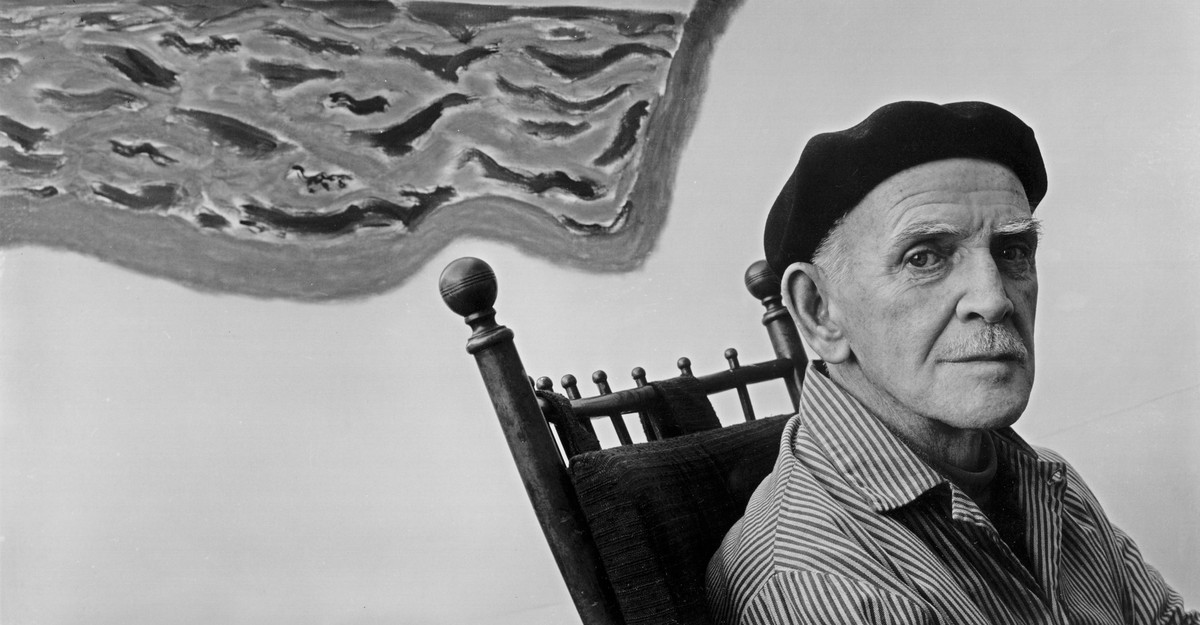
Milton Avery, the Genius Colorist Who Shaped Rothko
The evolution of European modern art can be explained as a story of susceptible young people falling under others’ spells and then asking, What can I do with this? How can I convert it to my purposes? What’s remarkable is how often the main chapters of this story have unfolded in coastal or mountain retreats. Think of Claude Monet on the Normandy coast, wrestling with the influence of his mentor Eugène Boudin. Or Henri Matisse staying in Saint-Tropez with his mentor Paul Signac, before breaking with Signac’s neo-impressionist style and co-inventing fauvism. Or Pablo Picasso, goaded into radicalism by the latest bizarre creations of Matisse, retreating to the Spanish mountain village of Gósol and, mere months later, beginning work on his proto-cubist masterpiece, Les Demoiselles d’Avignon. All of these key episodes happened in agreeable resorts, seaside ports, and villages, far from the sophisticated cities assumed to have been the cauldrons of modernism. Modern art in America is no different. Its story can scarcely be told without reference to artists summering on the Atlantic Coast, including …


