All posts tagged: Rome

How the Elite See Rome

How the Elite See Rome

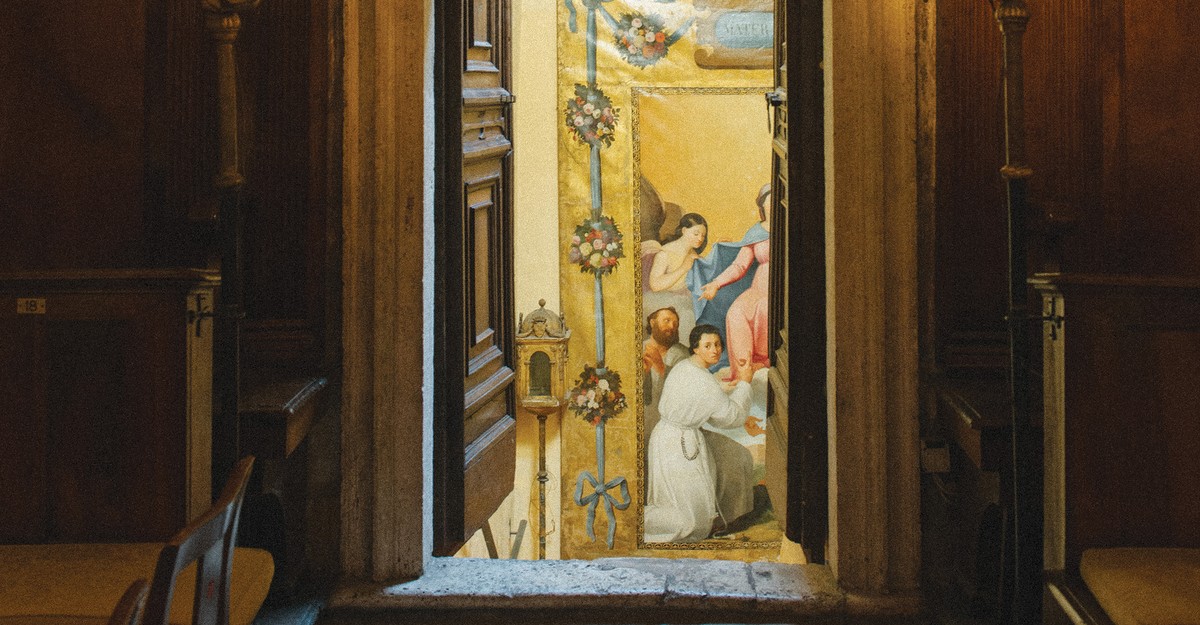
A famous entertainer would like to have the Colosseum to herself for a small evening event—anything you can do? A visitor on a layover hopes to see a privately owned Caravaggio behind the walls of a Roman palazzo—what about tonight? A traveler wants to make railway excursions from Rome in a train car with no other passengers—can that be arranged? Explore the August 2026 Issue Check out more from this issue and find your next story to read. View More Fulvio De Bonis finds a way to say yes to challenges such as these, which fall somewhere between logistical quandary and diplomatic démarche. His boutique travel company, Imago Artis—which he co-founded and runs with his wife, Alessia Tortora, and their longtime friend Chiara Di Muoio—can provide access to almost anything in Rome, and it specializes in devising unusual itineraries for people of means. Fulvio’s cellphone connects with curators and clerics, bellhops and grandees—the phone is his wand, enabling a seemingly frictionless glide through a labyrinthine city. I met Fulvio several years ago through a friend …

Voices in Rome | Marianne Boruch

Voices in Rome | Marianne Boruch

in rain. A blur, like another language isa mix of colorthat runs and spills. I do not look downbut across into tops of giant treeswhere birds come backyear after year with straw in their beaks. Is that permission, a premonition?To talk so pointedlyin rain’s bedraggled and dogged is to remember what it isto walk soaked through,sorry for each other and then yourselfand then the world. A vacant lot, an emptystreet to cross and get—yes, soakedis the word. No one, and no control of it.The sky. And clouds, if they want. Voices. The human sick-at-heartflares up: a suddenAnglo-Saxon pierce and glint—you       do      not! Like a sword in the museum.Once blood on it. Source link

Why the right is so obsessed with Rome

Why the right is so obsessed with Rome

For every academic discipline, there’s something the public can’t get enough of that drives specialists nuts. If you’re an astronomer, it’s people confusing what you do with astrology. If you’re a researcher in psychology, it’s the popularity of the Myers-Briggs personality test. And if you’re an historian of ancient Greece and Rome, like I am, it’s the steady stream of comparisons between the modern world and the Roman Empire.  These analogies simplify more than they explain. They merely project modern anxieties onto the canvas of an imagined ancient Rome. And they’re so common that, most of the time, all you can do is roll your eyes and move on.  That’s harder to do when a major politician brings up Rome as a way to comment on Donald Trump’s war of choice in Iran. Just because such comparisons are almost laughably inept doesn’t mean they don’t have real world stakes. The politician in question is former British Prime Minister Rishi Sunak, who wrote an op-ed in The Times of London titled “To save the West, remember …

Seven Wonders of the Ancient World: From the Walls of Babylon to the Sewers of Rome

Seven Wonders of the Ancient World: From the Walls of Babylon to the Sewers of Rome

You may not be able to name all, or even most, of the sev­en won­ders of the ancient world. But you almost cer­tain­ly know that there were sev­en of them. In a way, that aligns well enough with the world­view of the Greeks who first made ref­er­ence to such a list, giv­en their near-rev­er­ence for that num­ber. Sev­en were the strings of the lyre (unless there hap­pened to be eight or nine), sev­en were the gates of Thebes, and sev­en were the “wan­der­ing stars” in the night sky (if you count the sun and moon). The iden­ti­ty of the won­ders was less impor­tant than the length of their list, and indeed, as ancient-his­to­ry YouTu­ber Gar­rett Ryan explains in his Told in Stone video above, addi­tions and changes were pro­posed since the begin­ning. The clas­sic sev­en-won­ders ros­ter includes the Hang­ing Gar­dens of Baby­lon, the Stat­ue of Zeus at Olympia, the Tem­ple of Artemis at Eph­esus, the Mau­soleum at Hali­car­nas­sus, the Colos­sus of Rhodes, the Light­house of Alexan­dria, and the Great Pyra­mid of Giza, that last being …

Rome in 1890 Captured in Color Photographs: The Colosseum, Forum, Trevi Fountain & More

Rome in 1890 Captured in Color Photographs: The Colosseum, Forum, Trevi Fountain & More

For almost two hun­dred years, Eng­lish gen­tle­men could not con­sid­er their edu­ca­tion com­plete until they had tak­en the “Grand Tour” of Europe, usu­al­ly cul­mi­nat­ing in Naples, “raga­muf­fin cap­i­tal of the Ital­ian south,” writes Ian Thom­son at The Spec­ta­tor. Italy was usu­al­ly the pri­ma­ry focus, such that Samuel John­son remarked in 1776, per­haps with some irony, “a man who has not been to Italy is always con­scious of an infe­ri­or­i­ty.” The Roman­tic poets famous­ly wrote of their Euro­pean sojourns: Shel­ley, Byron, Wordsworth… each has his own “Grand Tour” sto­ry. Shel­ley, who trav­eled with his wife Mary God­win and her step­sis­ter Claire Clair­mont, did not go to Italy, how­ev­er. And Byron sailed the Mediter­ranean on his Grand Tour, forced away from most of Europe by the Napoleon­ic wars. But in 1817, he jour­neyed to Rome, where he wrote the Fourth Can­to of Childe Harold’s Pil­grim­age: Oh Rome! my coun­try! city of the soul!The orphans of the heart must turn to thee,Lone moth­er of dead empires! And con­trolIn their shut breasts their pet­ty mis­ery. For the trav­el­ing artist and philoso­pher, …