All posts tagged: Drugs

We’re still figuring out the side effects of GLP-1 weight-loss drugs

We’re still figuring out the side effects of GLP-1 weight-loss drugs

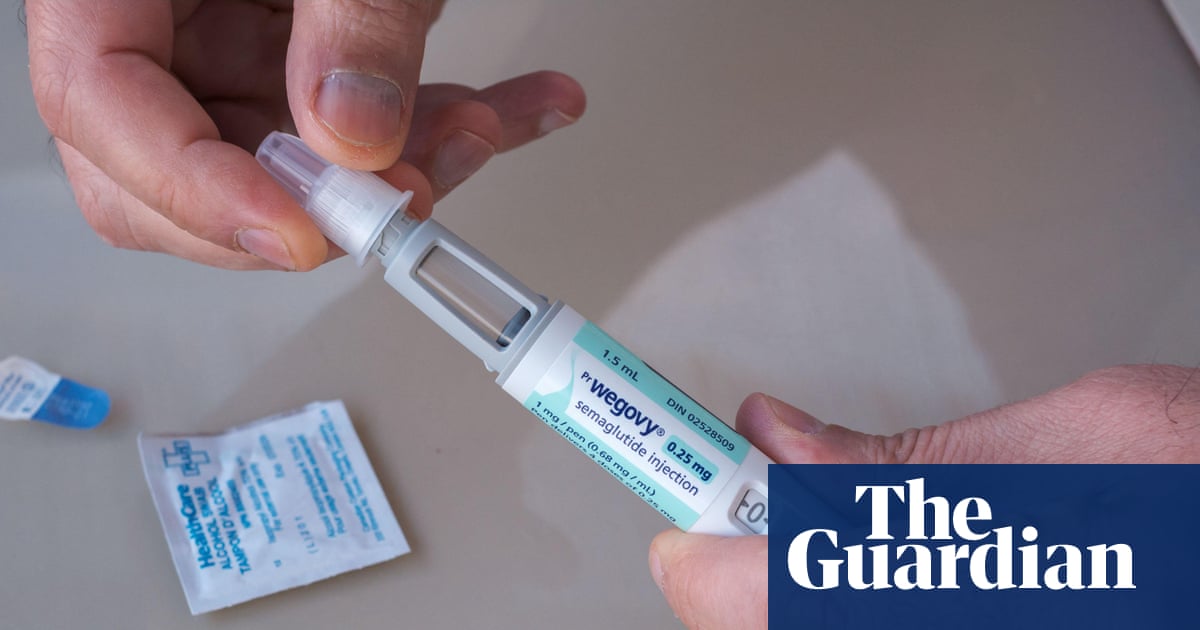
I’ve heard people in the aging field describe GLP-1s as longevity drugs for a while now (even if they only benefit people who are overweight or diabetic in the first place). This latest announcement comes after we’ve seen a raft of other benefits associated with taking these drugs. But there are also some weird side effects. So far, GLP-1 agonist drugs—which repress hunger—have been approved for treating diabetes, chronic kidney disease, and obesity, and they can also be prescribed for some people who are overweight or at risk of certain cardiovascular diseases. But there is research to suggest they might also help people with substance-use disorders, and they’ve been investigated for potential benefits in neurodegenerative disease and cancer. And a lot of people are taking them. According to a recent Gallup poll, 11% of Americans are taking a GLP-1 drug for weight loss, up from 3% in 2024. And 15% of Americans say they’ve used one for weight loss at some point. They can be incredibly effective. But, like any drug, they can come with …


The Download: weight-loss drugs slowing aging and carbon dioxide batteries

The Download: weight-loss drugs slowing aging and carbon dioxide batteries

This is today’s edition of The Download, our weekday newsletter that provides a daily dose of what’s going on in the world of technology. Weight-loss drugs show signs of slowing biological aging, say drugmakers Popular weight-loss drugs may do more than help people shed pounds. They might also slow the aging process. Drugmakers Eli Lilly and Novo Nordisk say patients taking their GLP-1 drugs age less quickly, according to molecular “aging clocks” that track changes in DNA or levels of key proteins.  The findings add to speculation that GLP-1 drugs could be acting on basic causes of aging and might be true longevity treatments. But how much can we read into these results? Read the full story on what the new findings reveal about GLP-1 drugs and aging. —Antonio Regalado 10 Climate Tech Companies to Watch: Energy Dome and its carbon dioxide batteries Energy Dome is one of MIT Technology Review’s10 Climate Tech Companies to Watch 2026, available exclusively to subscribers. Solar and wind are among the cheapest and quickest ways to add electricity to …

‘Godzilla’ of weight-loss drugs could provide other important health benefits

‘Godzilla’ of weight-loss drugs could provide other important health benefits

The ‘Godzilla’ of weight-loss drugs could help improve blood sugar levels, reduce inflammation and cut a person’s body weight by a quarter, according to the largest study of its kind. Retatrutide mimics three key gut hormones that help control appetite, blood sugar and metabolism: GLP-1, GIP and glucagon. Unlike other drugs such as Wegovy, which primarily targets the GLP-1 pathway to suppress appetite, or Mounjaro, which contains GLP-1 plus GIP to control blood sugar levels, retatrutide also engages the glucagon receptor, which helps increase energy expenditure. The drug has not yet been approved by any regulatory agency. But the results of the global trial in people living with obesity and type 2 diabetes suggest it could help them shift enormous amounts of excess weight while also providing other important health benefits. “Retatrutide demonstrated substantial reduction in body weight alongside glycaemic control and cardiometabolic risk factors, with a safety profile generally similar to other molecules with GLP-1 receptor agonist activity,” the researchers said. The findings from the study, funded by retatrutide maker Eli Lilly, were published …

Have you taken GLP-1s for a year or more? We would like to hear from you

Have you taken GLP-1s for a year or more? We would like to hear from you

Around 100 million people globally are taking GLP-1s. The majority experience significant weight loss. Research has shown that women in particular experience greater success in dating and job-seeking as a result. We would like to explore the impacts of this: how do you go about processing this change? How hard is it to balance, or make peace with, such differing experiences of life before and after GLP-1s? Do you feel you have a “before” and “after” self? If you have taken GLP-1s and lost weight as a result, and experienced changes in your workplace, your romantic life, or in how you feel about yourself before and after, we would love to hear from you for an article exploring the emotional adjustments involved in rapid and significant weight loss. Share your experience Please share your response in the form below.  Your responses, which can be anonymous, are secure as the form is encrypted and only the Guardian has access to your contributions. We will only use the data you provide us for the purpose of the …

New Zealand drugs regulator approves use of MDMA to treat severe PTSD

New Zealand drugs regulator approves use of MDMA to treat severe PTSD

Two psychiatrists in New Zealand won approval on Friday to prescribe pharmaceutical-grade MDMA to people with severe post-traumatic stress disorder (PTSD). The move by New Zealand’s pharmaceutical regulatory body Medsafe makes the country only the second worldwide to approve the party drug for use in treating PTSD, following Australia in 2023. “PTSD ruins lives and is difficult to treat,” said the deputy prime minister, David Seymour, who last year backed the approval of magic mushrooms to treat people with severe depression. “MDMA can be very effective at treating it through psychedelic-assisted therapy.” New Zealand is committed to opening up access to “innovative treatments”, Seymour said. PTSD is a mental health condition that develops after a person experiences or is threatened by traumatic events such as death, combat or sexual assault. There are clinical trials in the United States after the Food and Drug Administration rejected legalising MDMA’s medicinal use in 2024, saying there was not enough evidence it was safe or effective. Pharmaceutical treatment options for PTSD in the US have so far been limited …

Her Brain Was Broken. It Was Fixed With Sound—Not a Scalpel

Her Brain Was Broken. It Was Fixed With Sound—Not a Scalpel

High-intensity ultrasound, like what the Fry brothers used, is already approved to treat a handful of conditions, including uterine fibroids, certain kinds of prostate cancer, and symptoms of Parkinson’s that can’t be treated with drugs. But ultrasound can also be delivered in low intensities to alter neural activity in the brain. The ability to get deep into the brain without holes or incisions is why Rezai and others are so excited about ultrasound. Other types of noninvasive stimulation, such as transcranial magnetic stimulation, only breach the outer layers of the brain. They can’t penetrate the nucleus accumbens, the pea-sized part of the brain Rezai is targeting for addiction. Rezai wanted to see if focused ultrasound could. In 2021, with permission from the Food and Drug Administration, Rezai and his team at WVU launched an exploratory trial to test the safety of focused ultrasound in volunteers with addiction. They used an FDA-approved machine designed to emit high-intensity waves but turned the power way down, starting off with a low dose and gradually increasing it. Rezai had …

Antifungal drugs breakthrough tackles drug-resistant infections

Antifungal drugs breakthrough tackles drug-resistant infections

Scientists from Imperial College London and The University of Manchester have developed a new generation of antifungal drugs that could offer safer and more effective treatment options for life-threatening fungal infections. The research introduces a new family of polyene-based compounds that outperformed some existing therapies in preclinical testing. Published in Nature, the study found that several newly engineered antifungal compounds demonstrated greater potency, reduced toxicity and improved solubility compared with widely used antifungal medicines. One lead candidate, known as Nys34, successfully reduced fungal infection in mice without causing significant signs of toxicity. The findings represent a potential breakthrough in the search for new antifungal drugs at a time when fungal infections are becoming more difficult to treat due to increasing drug resistance and a limited pipeline of new medicines. Researchers also developed a scalable enzyme-based production platform that could simplify manufacturing and improve global access to future treatments. Growing demand for better antifungal drugs Fungal diseases are an increasing public health concern worldwide, particularly among people with weakened immune systems. At the same time, resistance …

The Cities That Said Yes to Drugs

The Cities That Said Yes to Drugs

Late last year, I walked roughly a mile from downtown Seattle to the working-class neighborhood of Little Saigon and came upon a montage of human despair. An open-air drug market stretched along the intersection of 12th and Jackson: about 250 people, many smoking fentanyl or bent over in the thrall of the drug, tilting as if mid-fall. Three women lay passed out on the sidewalk, their chests slowly rising and falling, while fellow addicts stepped over them and dealers made sales. Young boys, schoolbags on their backs, stood on a far corner and watched. Explore the September 2026 Issue Check out more from this issue and find your next story to read. View More I walked around the block to the Hoa Mai playground, named for a Vietnamese flower that signifies rebirth. City workers had installed gates to keep drug users away, but at 4 p.m. on a Wednesday, I counted 27 people smoking drugs and nodding off. No children were in sight. Half a mile to the south, in the Beacon Hill neighborhood, I …

Experts explain why semaglutide and other weight-loss drugs may not work for everyone

Experts explain why semaglutide and other weight-loss drugs may not work for everyone

Weight-loss jabs are the latest craze for shedding a few pounds. Their effect has been dramatic with drugs such as Ozempic and Wegovy (semaglutide) causing users to lose up to 15% of their body fat on average. Semaglutide, which is a glucagon-like peptide 1 (GLP-1 receptor agonist drug), mimics the action of a natural gut hormone which is released after we eat. This gut hormone triggers multiple physiological responses that play a role in regulating body weight, such as releasing insulin to help control blood sugar levels, slowing stomach emptying (so we feel fuller for longer) and even telling the brain’s hunger centres to suppress appetite. Semaglutide, which is a glucagon-like peptide 1, mimics the action of a natural gut hormone which is released after we eat (Getty Images) But as effective as GLP-1 drugs are, not everyone who uses them will lose a significant amount of weight. So-called “non-responders” are people who lose less than 5% of their body weight after roughly six months of treatment on the highest tolerated dose. Research suggests that …

Tell us: what does the launch of the new weight-loss pill mean for you?

Tell us: what does the launch of the new weight-loss pill mean for you?

A once-daily Wegovy weight-loss pill has gone on sale at high street and online pharmacies in the UK, offering an alternative to injectable GLP-1 medications. We’d like to hear from people who are considering taking a weight-loss pill, have recently started one, or are planning to switch from injections. Were you one of the first people to receive the new Wegovy pill this week? Tell us how your first few days have gone. Or are you planning to switch from jabs to a pill, and if so, why? Or has the arrival of a pill made you more likely to try weight-loss medication if you were put off by the idea of injections? We’d also like to hear about the changes the medication had made to your life aside from weight loss. Are you spending more or less on clothes, beauty products, supplements or haircare? Or are there other ways it is affecting your daily routine, confidence or lifestyle? Share your experience You can tell us your experience using this form. Your responses, which can …