


Bonfire Night is over, Christmas is coming, and Britain’s birds are getting ready for the winter. They must survive the extremes of our weather and make it through to next spring to get the chance to breed again.
Birds have very different strategies to prepare for cold weather. Many smaller birds – swallows and swifts, cuckoos and chats, warblers and flycatchers – simply avoid it by migrating: some fly all the way to sub-Saharan Africa, where they enjoy the benefits of a second spring and summer south of the equator. Others, such as blackbirds and robins, stay put. But if they sense that a cold spell is coming, they too will head south, though not as far – most either remain in south-west Britain or cross the Channel to France or Spain.
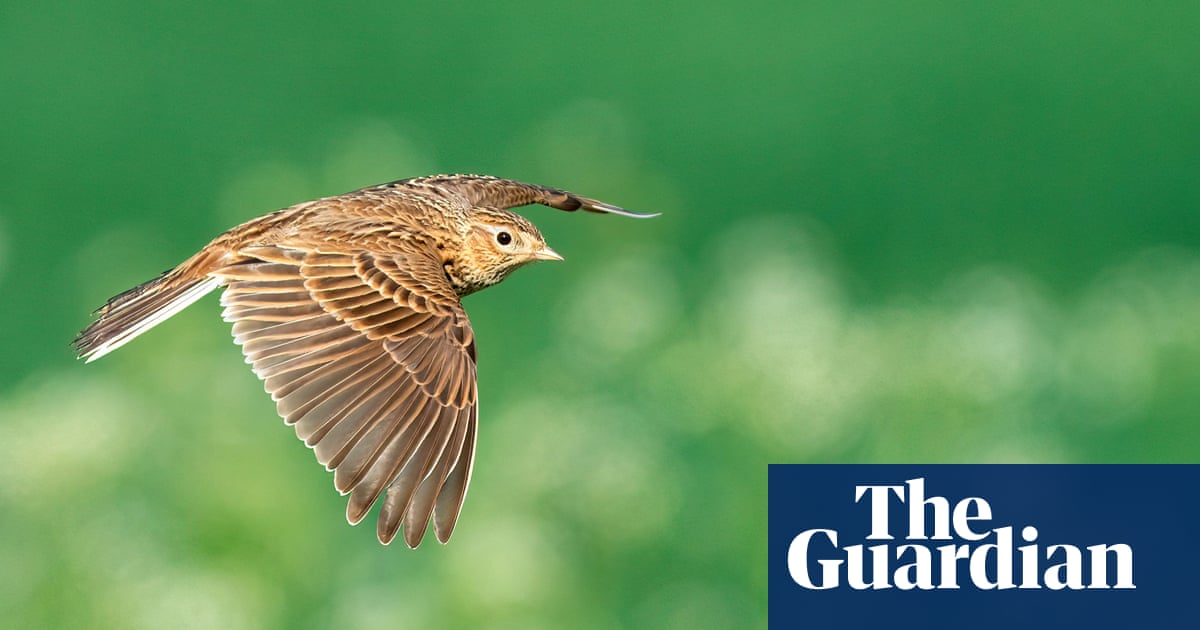
On my local patch, along the Somerset coast, I’ve already seen skylark numbers building up as these birds head down from the moors and hills to enjoy our milder weather. On sunny days they may sing a few snatches of song, reminding me that spring is only a few months away.
On autumn and winter evenings, vast numbers of starlings gather on the Avalon Marshes, roosting tightly together in the reeds to avoid predators and keep warm. But mild winters have led to much lower numbers in recent years, as continental European birds stay closer to their breeding grounds instead of heading west to us.