


A split-second, a zoomed in frame, an element you’ve never noticed: close-up photography puts the tiniest details into focus.
The Close-up Photographer of the Year 8 (CUPOTY 8) awards honor the greatest achievements in close-up, macro, and micro photography. A record-setting 15,388 images were entered into this year’s competition before being whittled down to a shortlist of 59 images across 11 categories.
“Close-up photography has a wonderful way of revealing details and perspectives that often go unnoticed,” competition co-founder Tracy Calder said in a statement. “This year’s shortlist is a fabulous showcase of imagination, technical expertise and natural curiosity.”
The overall winner of CUPOTY 8 will be announced in January 2027.
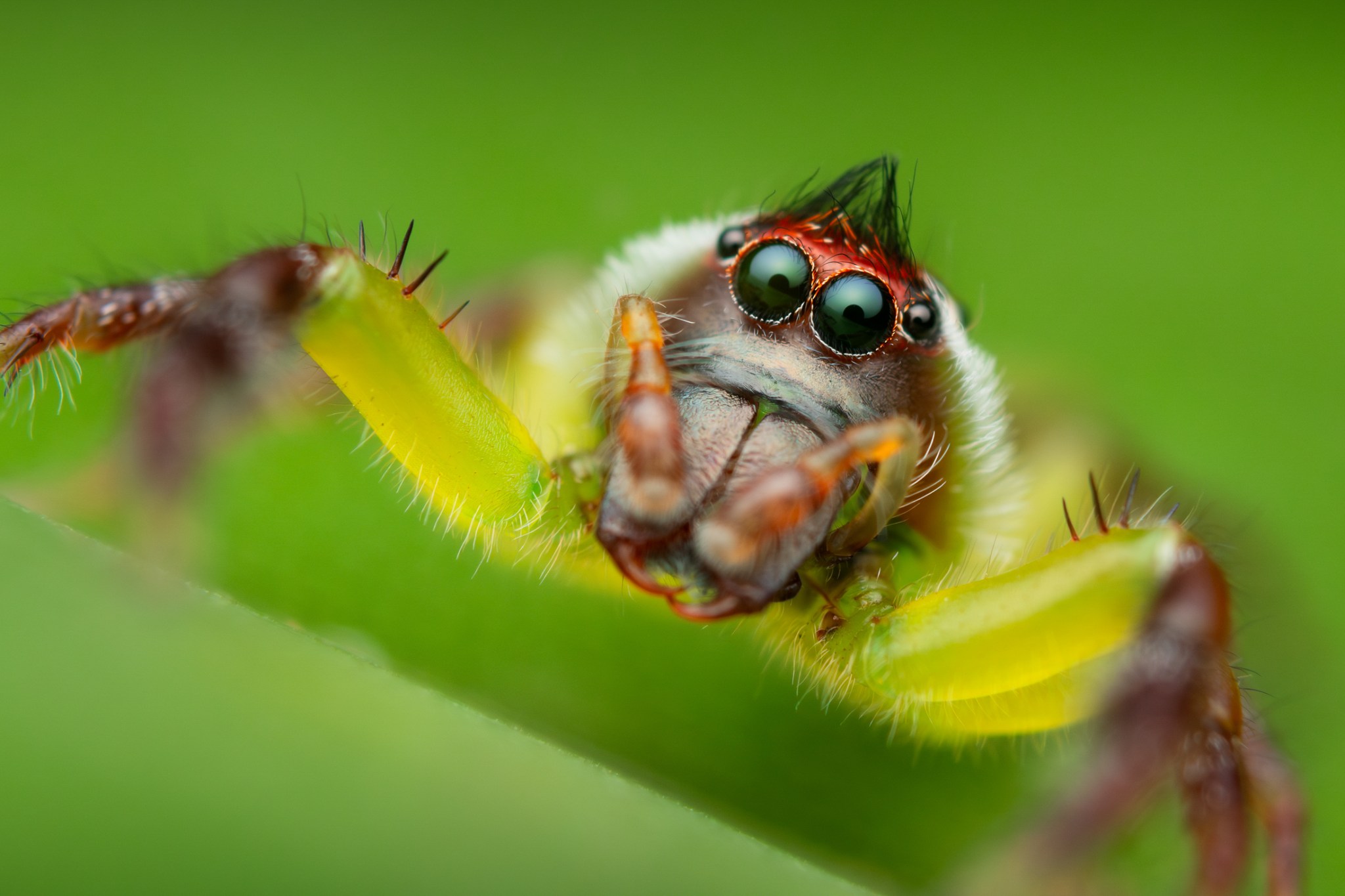
Young
I photographed this male Green Jumping Spider (Mopsus mormon) with its characteristic (and rather impressive) mohawk hairstyle in my suburban backyard in Brisbane, Australia. Green Jumping Spiders are found in New Guinea and Eastern Australia and are Australia’s largest jumping spider.
Credit: © Oliver Lacey / CUPOTY
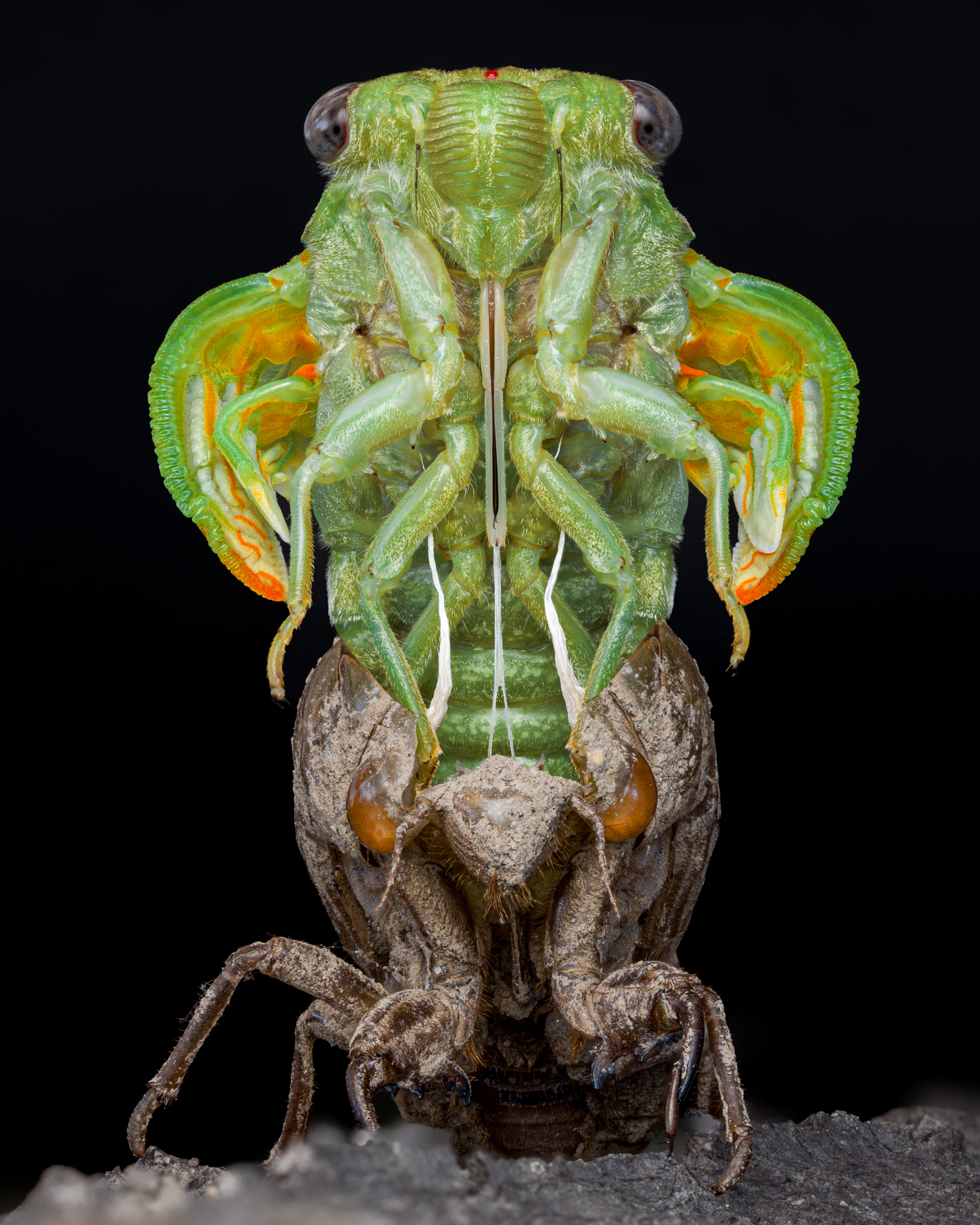
Invertebrate Portrait
The Large Brown Cicada (Lyristes plebejus) is the largest cicada species found in France (4-5cm long). Adults emerge in summer and live for only a few weeks. Most of their life is spent underground. The nymph feeds on the sap of plant roots before leaving the soil and climbing a tree trunk, stem or rock to undergo its final molt – a process known as emergence. Within a few hours, the exoskeleton splits open, revealing the adult, which slowly expands its wings before they harden. This particularly vulnerable stage marks the end of an underground development that can last three to five years.
Credit: © Yanis Karamalengos / CUPOTY Artist
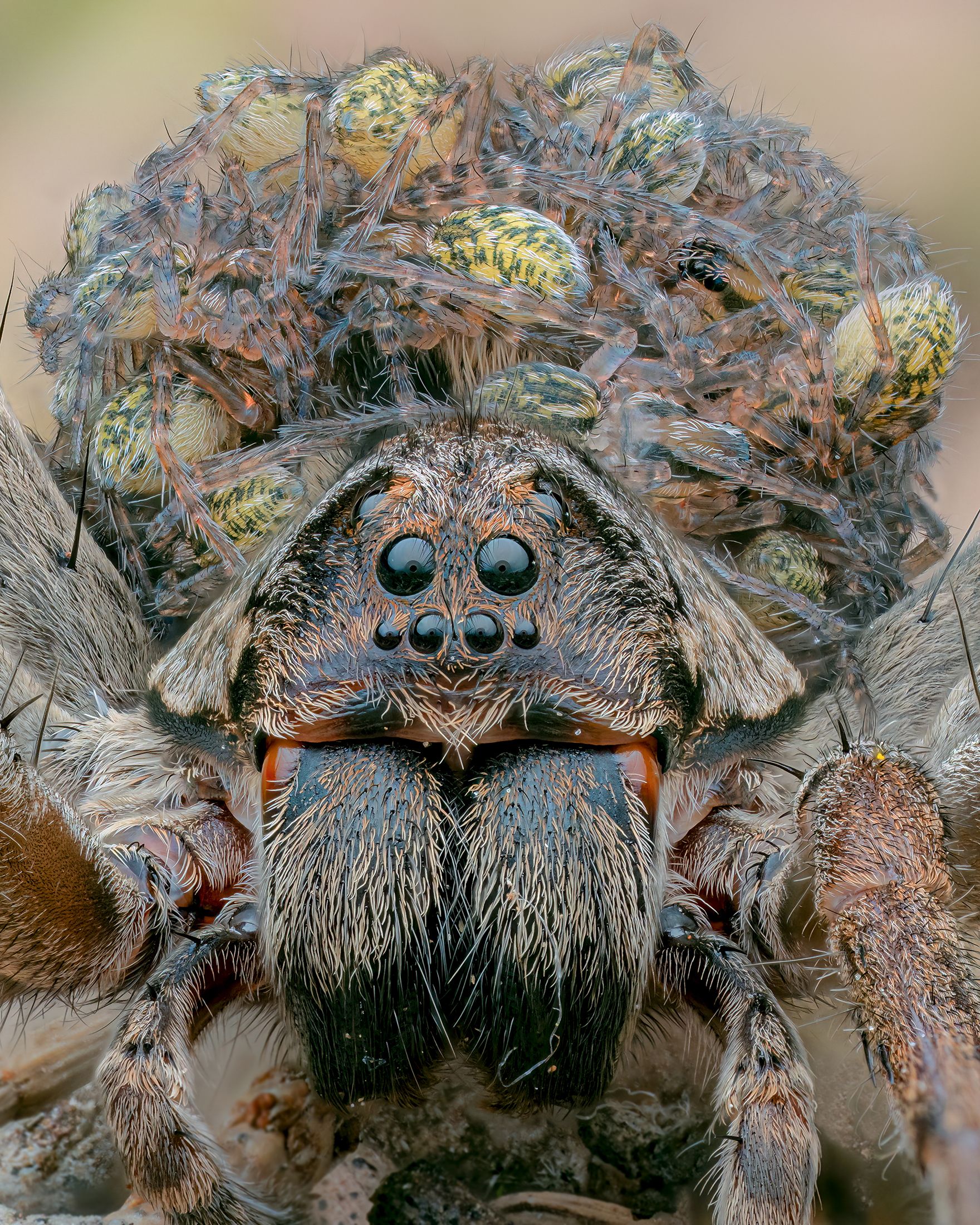
Invertebrate Portrait
Credit: © Craig Loechel / CUPOTY Artist
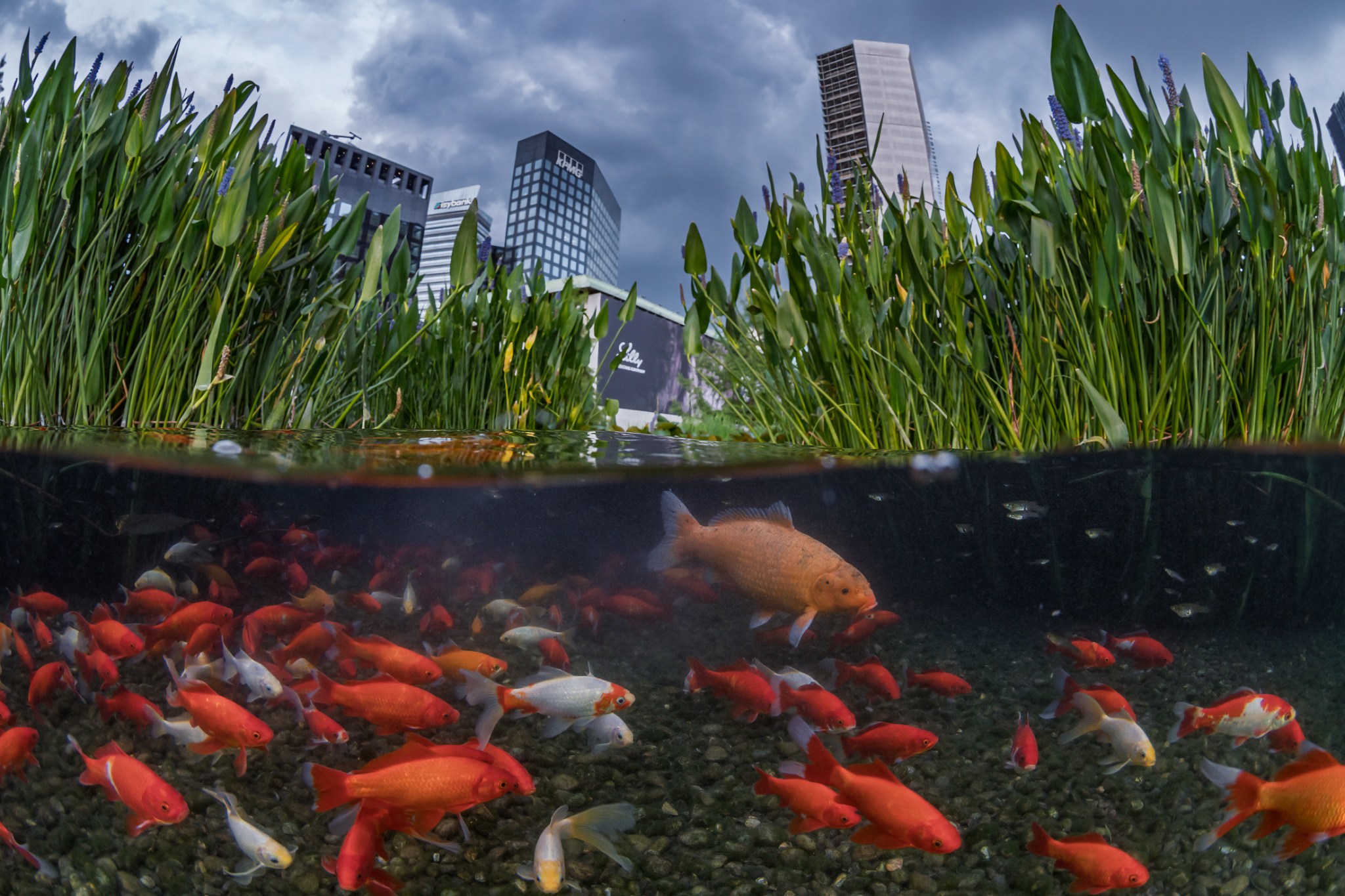
Underwater
A shoal of goldfish swim in an urban pond inside a metropolitan business district. Two worlds divided by a thin waterline: glass and concrete above and an aquatic ecosystem below.
Credit: © Marco Domenicucci / CUPOTY Artist
Underwater
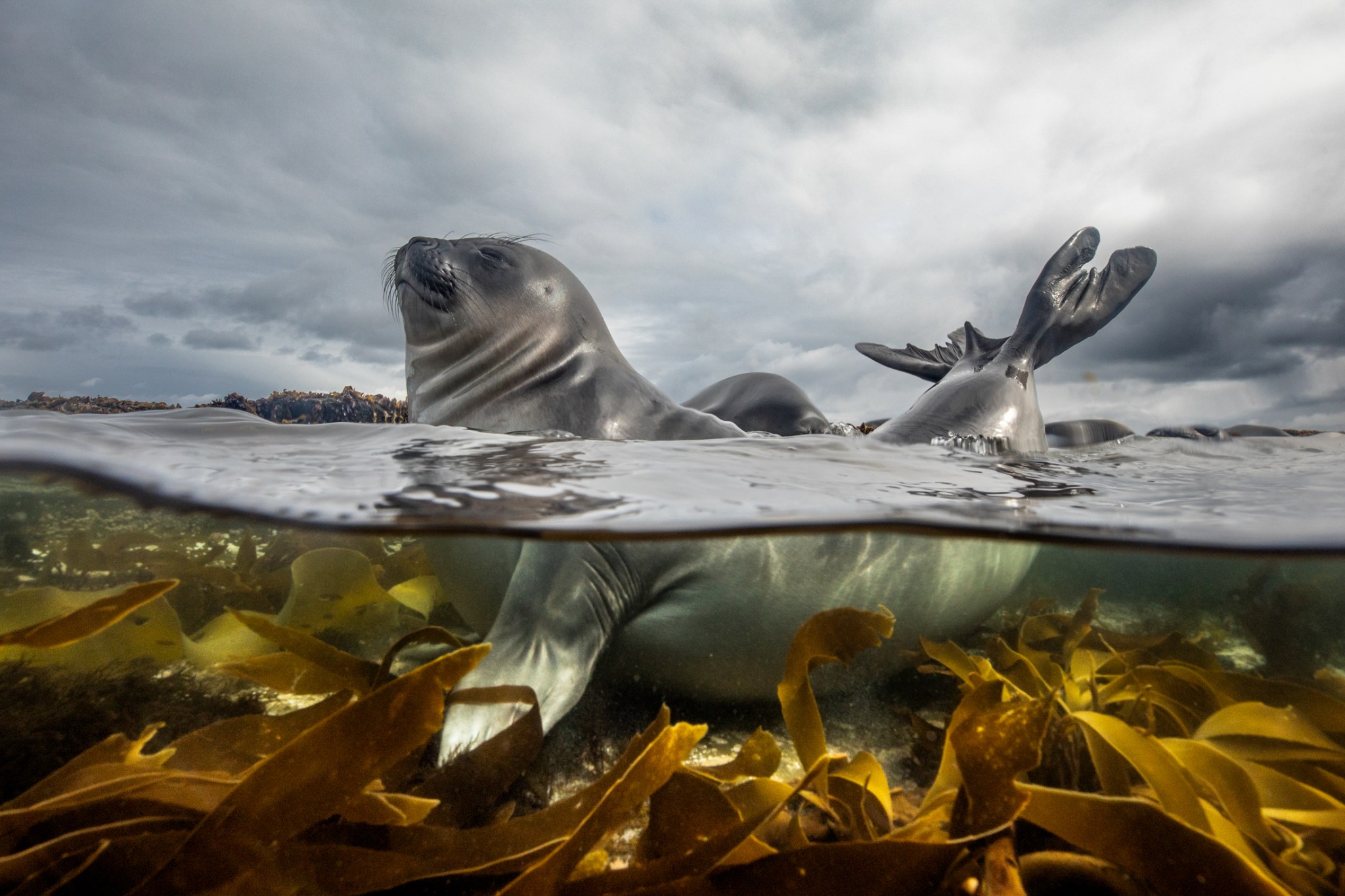
Young elephant seal pups or ‘weaners’ gather around natural rock pools on the Falkland Islands, using the protected waters to practise swimming and diving until they are ready to venture out to sea.
Credit: © Lisa Skelton / CUPOTY Artist
Underwater
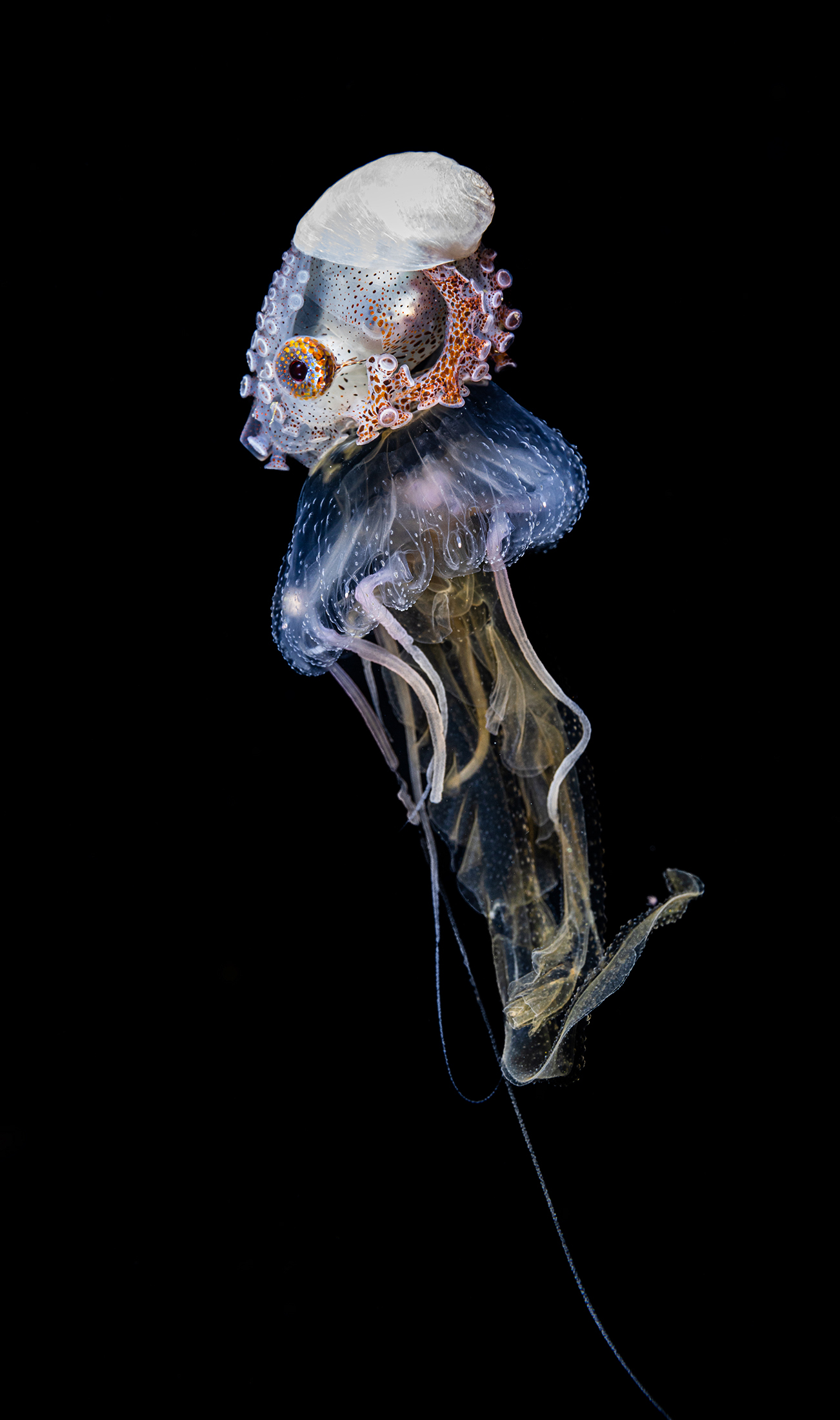
Paper Nautilus swim using jet propulsion (expelling water through a siphon), but sometimes they make life easier for themselves by finding a mode of transport. Jellyfish, leaves, sticks – and, unfortunately, trash – can all serve as their “taxis.”
Credit: © Alexei Magai / CUPOTY Artist
Animals
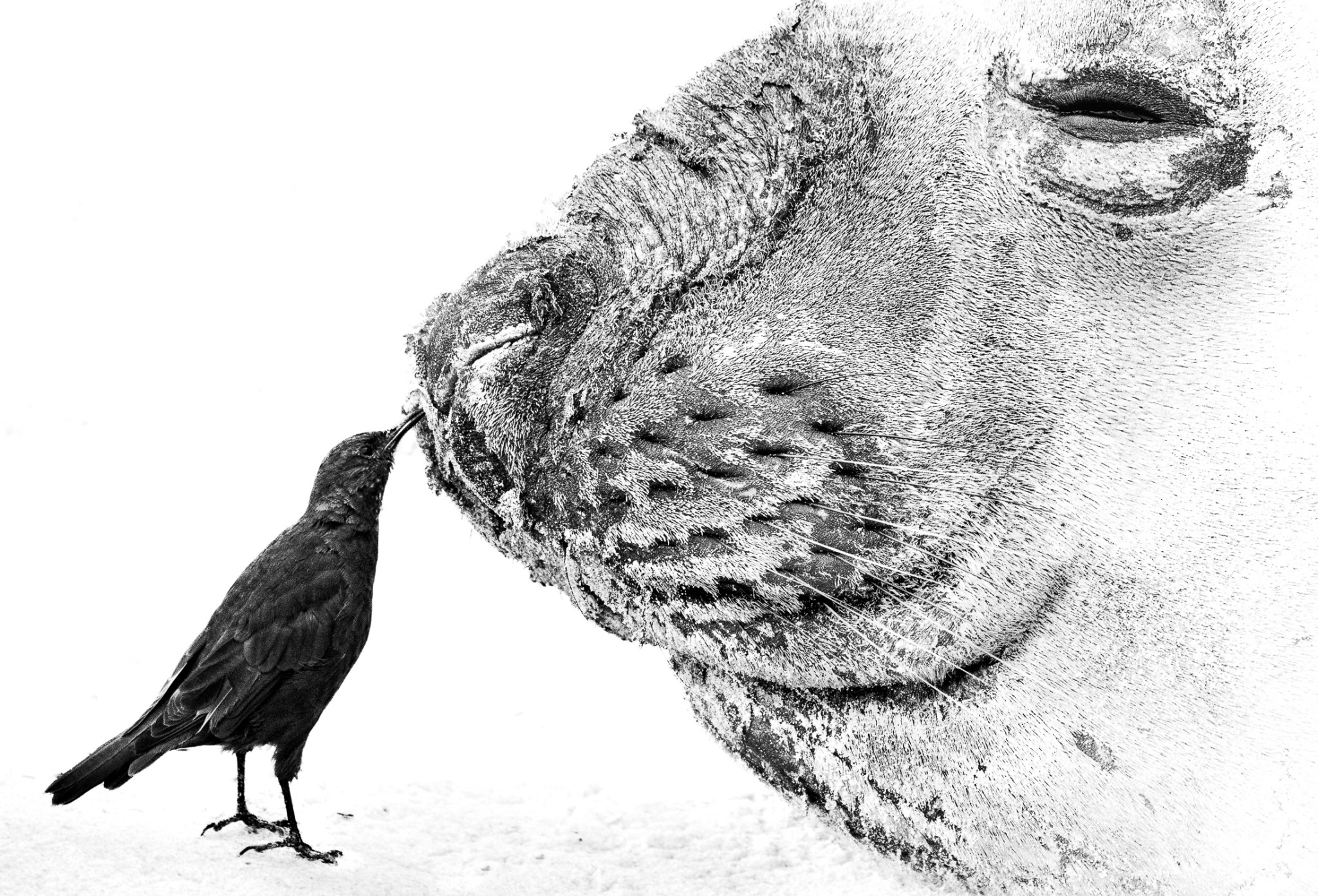
A blackish cinclodes or tussock-bird (Cinclodes antarcticus) picks at the nose of a resting southern elephant seal (Mirounga leonina) on Sea Lion Island, in the Falkland Islands. These birds are sensitive to ground predation by introduced cats and rats, so they generally only occur on islands where these predators have been eliminated. Their normal diet consists of invertebrates, but they are also known to feed on blood, nasal mucus and damaged tissue of elephant seals. The seals do what they can (which is not much) to discourage the birds from feeding on their wounds.
Credit: © Steffen Foerster / CUPOTY Artist
Animals
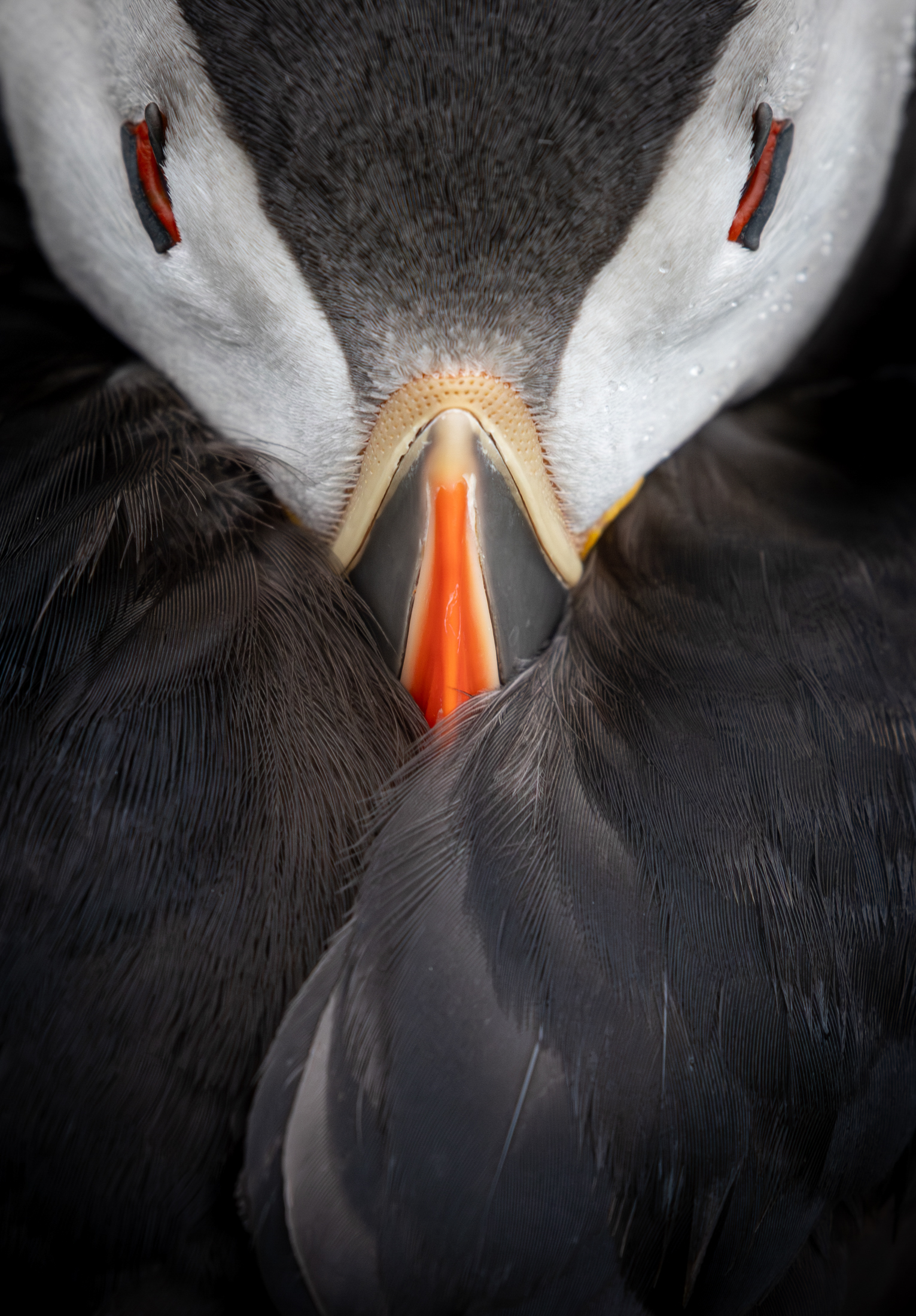
Atop the cliffs of Hermaness National Nature Reserve in Shetland, an Atlantic puffin tucks its bill between its shoulders with striking symmetry. Symmetry is of the utmost importance in my work, and I look for it in everything I shoot. It doesn’t have to be the bilateral kind seen here; a strong adherence to the rule of thirds, or the use of leading lines, feels just as satisfying. Nature already has these elements in abundance. Photography simply draws our attention to them.
Credit: © James Rogerson / CUPOTY Artist
Animals
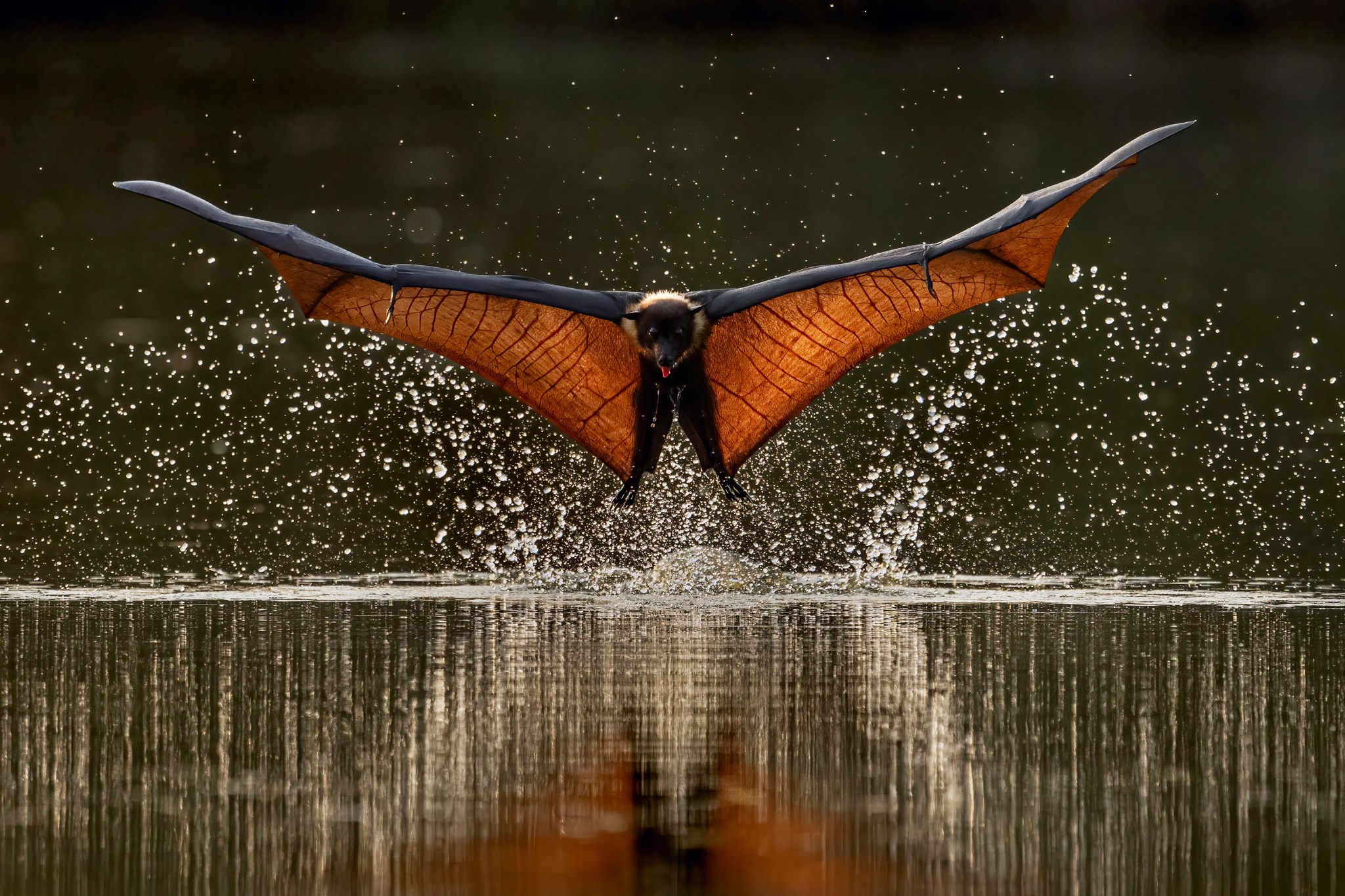
I spent seven nights photographing animals visiting a waterhole at Shompole Conservancy in Kenya. Even bats need a way to beat the scorching summer heat! On hot summer days, these fascinating creatures dip themselves in cool water to help regulate their body temperature, stay refreshed and escape the rising heat.
Credit: © Hira Punjabi / CUPOTY Artist
Insects
Credit: © Parks Marilla / CUPOTY Artist
Studio Art
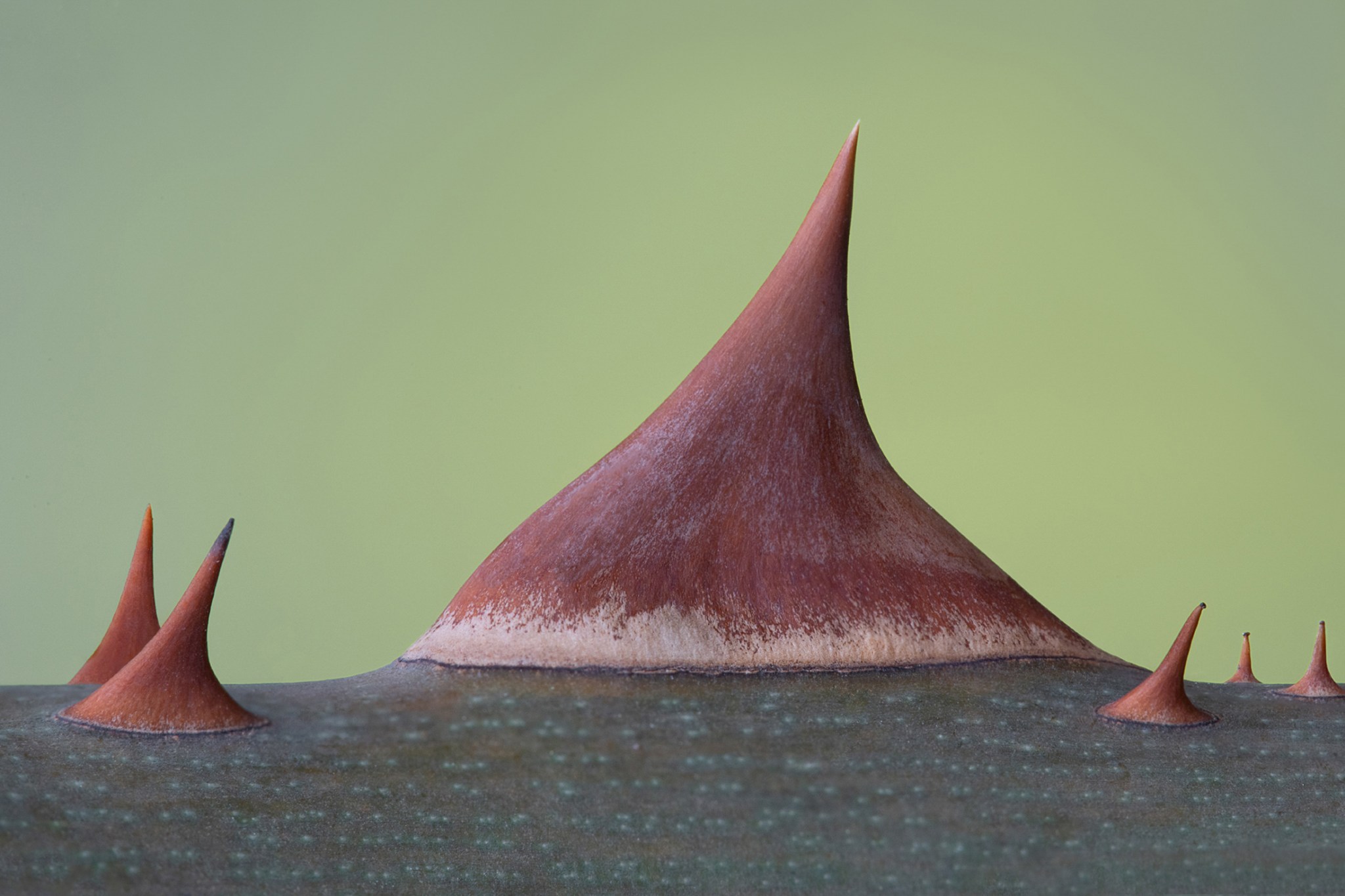
Fairly high level of magnification for a macro shot of a single rose thorn. The larger thorn is about 3/8 inch high (1 cm). This is one of the things I enjoy most about macro – discovering sights unseen and unimagined. In this case a slightly surreal and alien landscape where rose thorns can be mountain peaks.
Credit: © Donald Bolak / CUPOTY
Insects
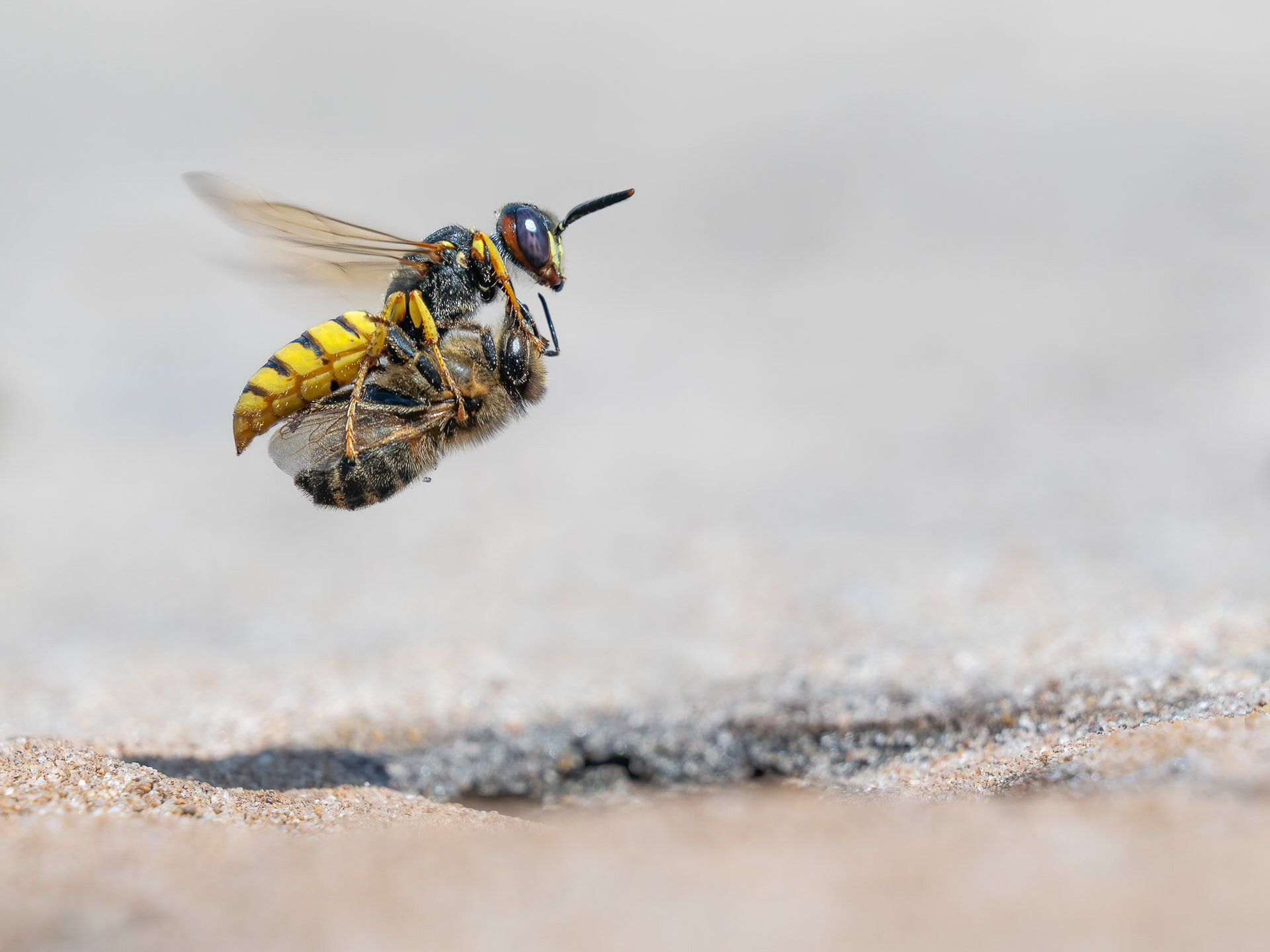
A female Beewolf wasp (Philanthus triangulum) returning to her nest with a honey bee at Thursley Common, Surrey, England. The nest entrance lies directly beneath the wasp as she prepares to provision her underground brood chamber.
Credit: © Sue North / CUPOTY Artist
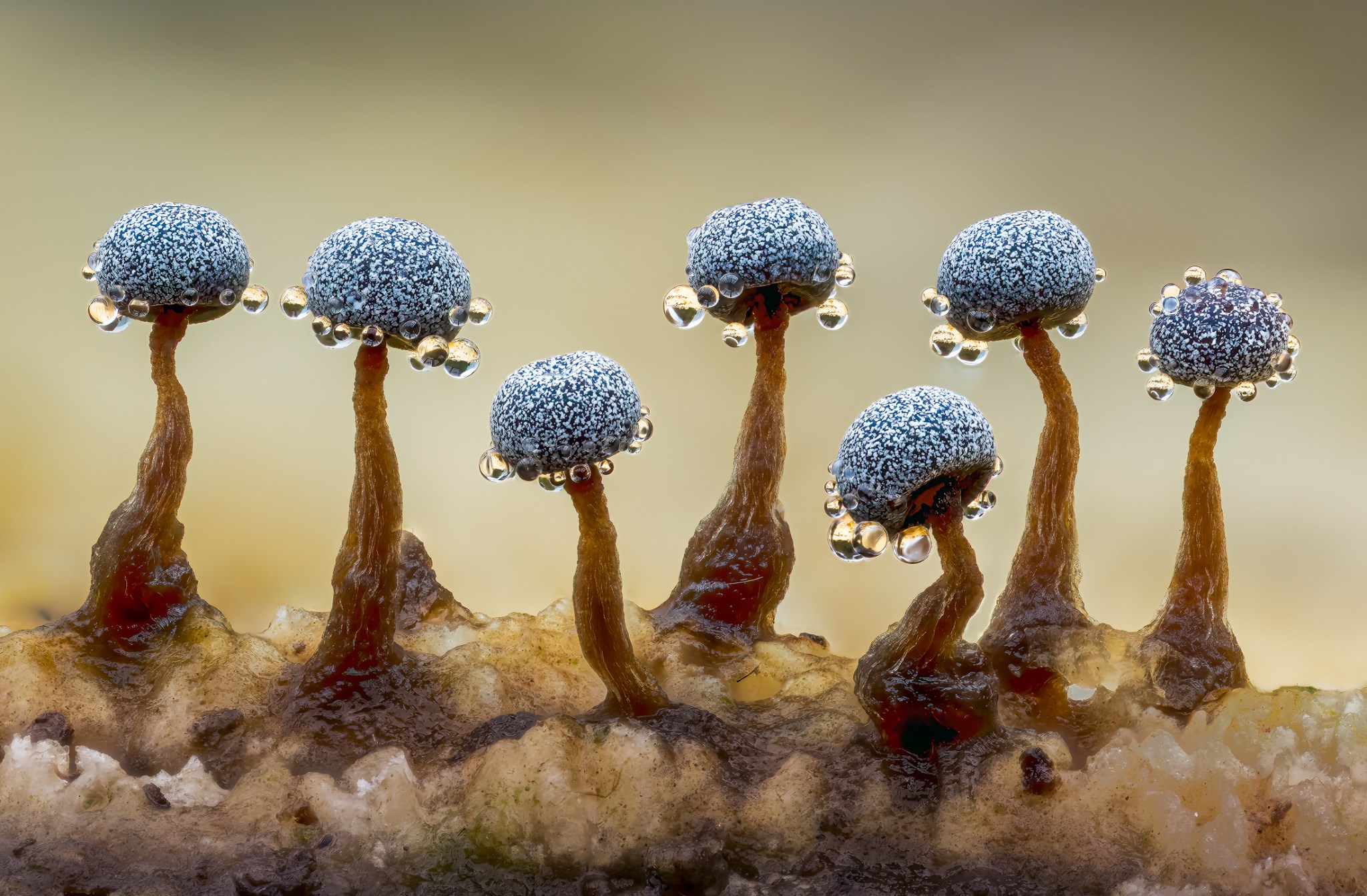
Fungi
Credit: © David Myles / CUPOTY Artist
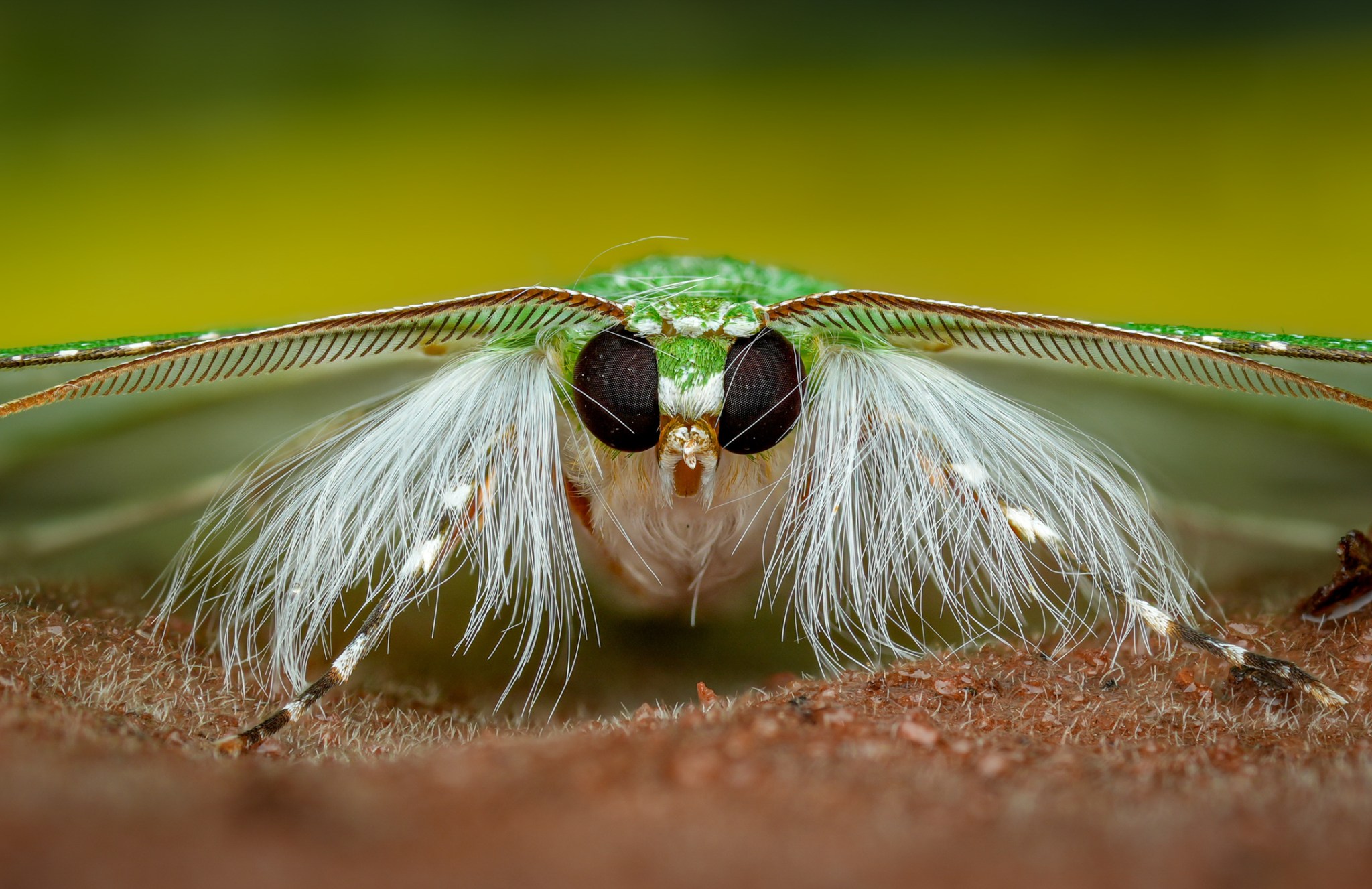
Butterflies and Dragonflies
This moth is in an evolutionary arms race against bats – sonar versus expert stealth. Bats are fierce nigh-time aerial predators with impressive sonar for targeting flying moths. This moth, (Eucyclodes fascinans) has evolved advanced stealth to try and evade detection. Those wild tufts coming off the thorax aren’t just for show, they play a crucial role in anti-air defence, helping protect the moth’s most vital parts (the tastiest bits) from bats. The tufts interfere with bat echolocation by breaking up and absorbing sound, making the moth harder to detect.
Credit: © Daniel Meier/CUPOTY
Artist

2026 Popular Science Home of the Future Awards